Microbiology and Animal Health Laboratory

Microbiology and Animal Health Laboratory

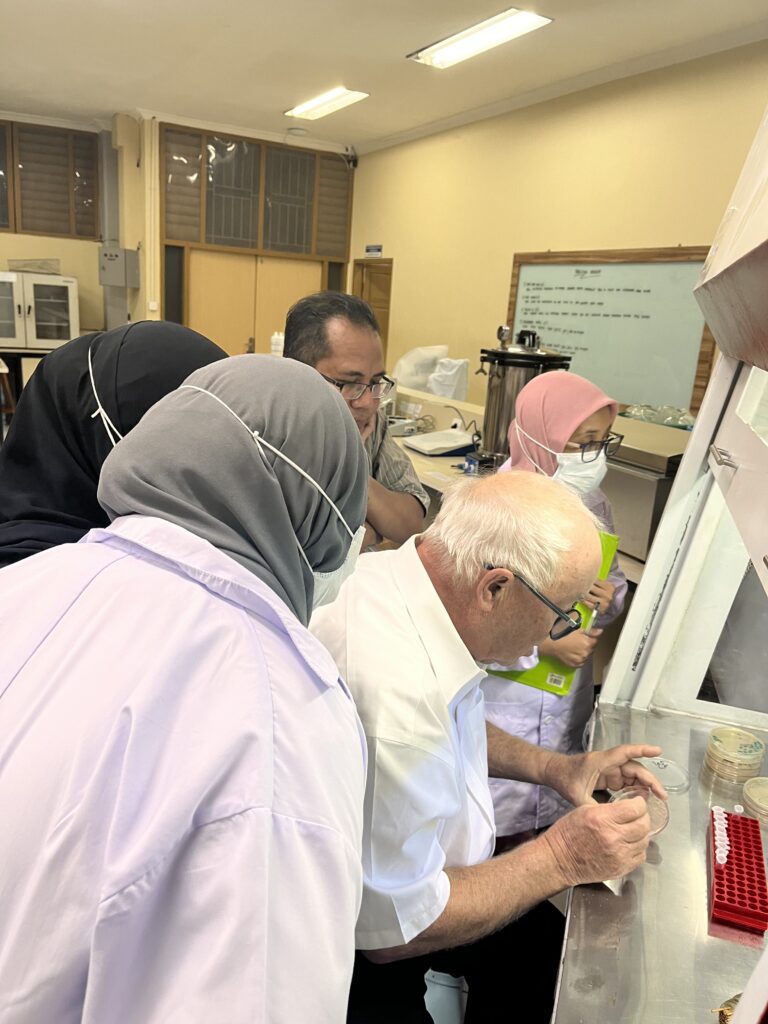
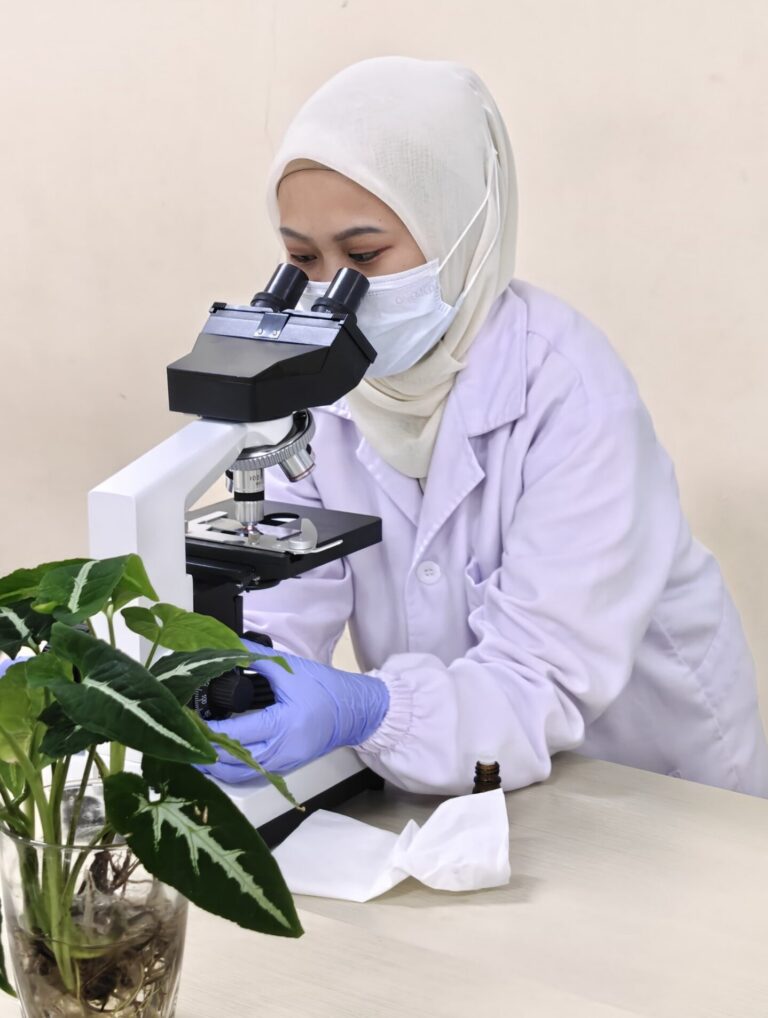
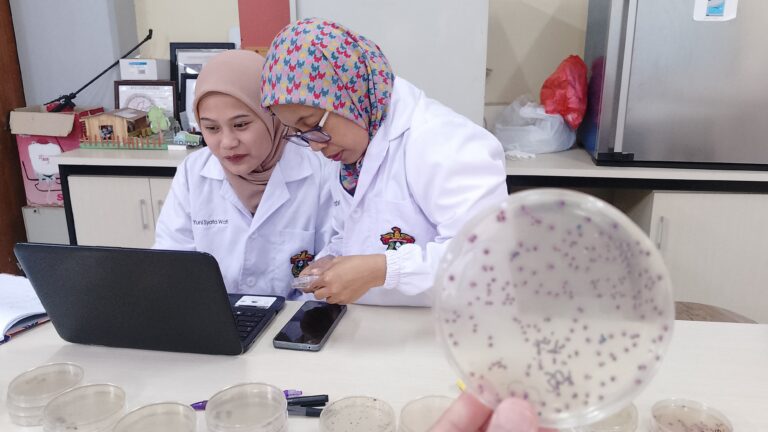
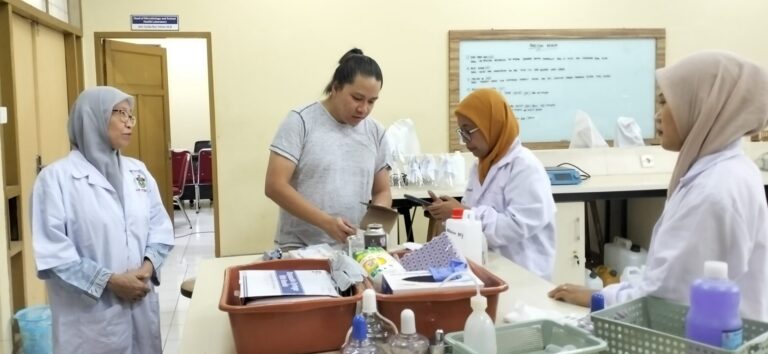
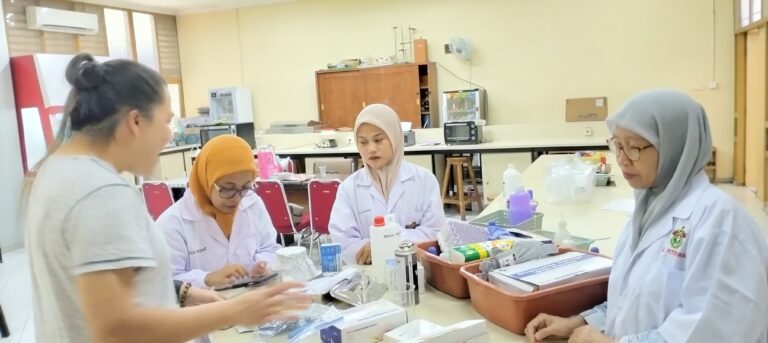
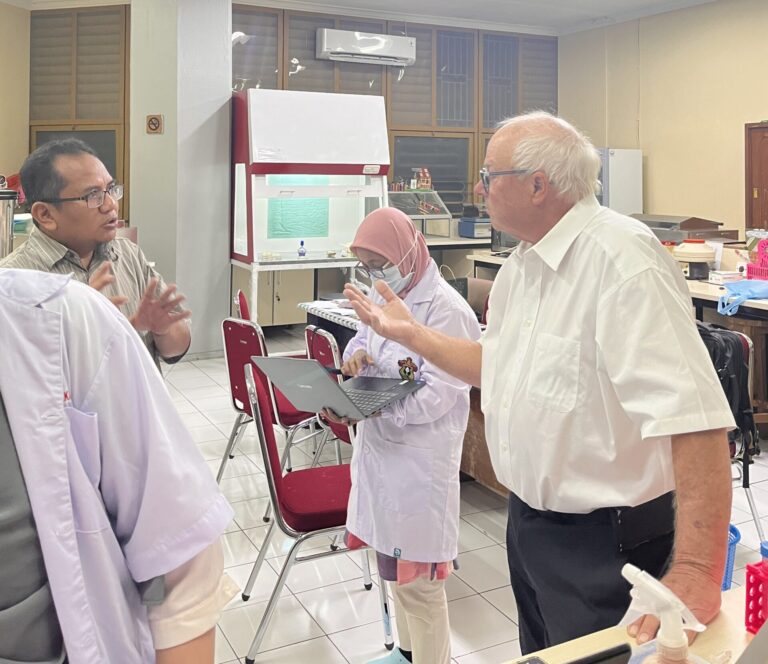
The Microbiology and Animal Health Laboratory is one of the laboratories at the Faculty of Animal Science that functions as a means of supporting teaching and learning activities in animal microbiology and animal health science courses. Apart from being a practical facility for students, it is also a research place not only for students (undergraduate, postgraduate, and doctoral) but also for lecturers, especially related to microbes and livestock health. This laboratory also provides public services in the form of testing the total number of bacteria (Total Plate Count/TPC) and the number of E coli bacteria.

STANDARD OPERATING PROCEDURE
MICROBIOLOGY AND ANIMAL HEALTH LABORATORY
FACULTY OF ANIMAL SCIENCE, HASANUDDIN UNIVERSITY

PRACTICUM PROCEDURE

Practicum Objectives:

  1. Students possess the technical competencies to isolate, identify, and quantify microorganisms (bacteria and fungi) relevant to animal health, livestock productivity, and food safety.
  2. To support theoretical learning activities within the Animal Microbiology and Animal Health Science courses.

Biosafety Standards: All laboratory activities are conducted in accordance with the established biosafety levels (Biosafety Level 1 and 2) to protect students, staff, and the environment from cross-contamination.

PREPARATION PROCEDURES

  1. Facility Planning and Layout
  • Laboratory Layout: Assistants and laboratory technicians shall organize the laboratory layout in accordance with the specific practicum topic and the total number of students (practicum participants).
  1. Equipment and Material Preparation
  • All necessary equipment and materials must be fully prepared and ready for use at least 24 h before the commencement of the practicum session.
  • Animal and Facility Preparation: For practicums involving live animals, the lab assistant team must ensure the availability of animals and secure official permits from the laboratory in charge of the animal housing facilities.
  • Laboratory-Based Preparation: For indoor laboratory sessions, the preparation includes the provision of chemicals, microbial growth media, and specific bacterial/fungal isolates to be used during the practicum. All growth media were sterilized via autoclaving (121°C, 15 psi) before use in laboratory sessions.
  1. Occupational Health and Safety Briefing
  • During the General Assistance (Asistensi Umum) session, practicum assistants provided a comprehensive explanation of potential biohazards derived from samples (e.g., livestock fecal samples or pathogenic bacterial isolates) and emergency response procedures.

PRACTICUM CODE OF CONDUCT

  1. Punctuality and Assignments: Practicum participants must be present in the laboratory at least 10 minutes before the session began and must have submitted their preliminary assignments or any other required tasks.
  2. Hygiene Protocols: Students are required to wash their hands and/or use hand sanitizer before and after starting laboratory work or handling microbial cultures.
  3. Footwear Policy: Students must remove their outdoor footwear before entering the laboratory. The use of designated laboratory sandals provided inside the facility is permitted.
  4. Storage of Personal Belongings: Bags and other personal items must be stored in designated racks or tables.
  5. Pre-Lab Assessment (response): Participants were required to take part in a “Response” session (pre-test/briefing) to assess their understanding of the material. This ensures that students are well prepared to execute laboratory activities effectively.
  6. Eating, drinking, and smoking are strictly prohibited in the laboratory at all times.
  7. Electronic Devices: Mobile phones must be turned off or set to silent mode to maintain a focused and professional working environment.
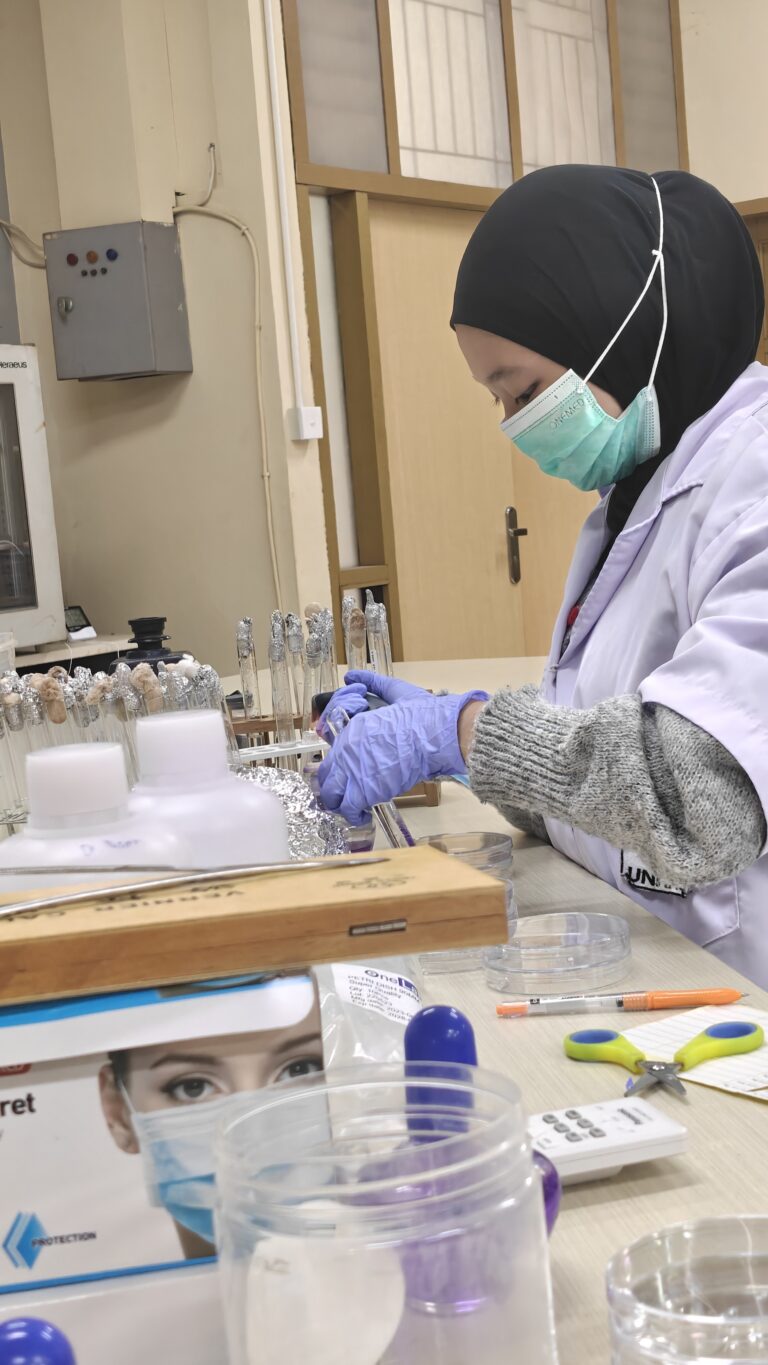
  8. Personal Protective Equipment (PPE) Requirements: Students are required to wear a laboratory coat, medical mask, gloves (when handling specific biological agents), and closed-toe footwear. Long hair must be tied back neatly to prevent contamination or accidents.
  9. Practical Materials: Students are responsible for bringing specific practicum materials, as previously instructed by the laboratory assistants.
  10. Workspace Sanitization: Workbenches must be disinfected with 70% alcohol before and after performing laboratory procedures.
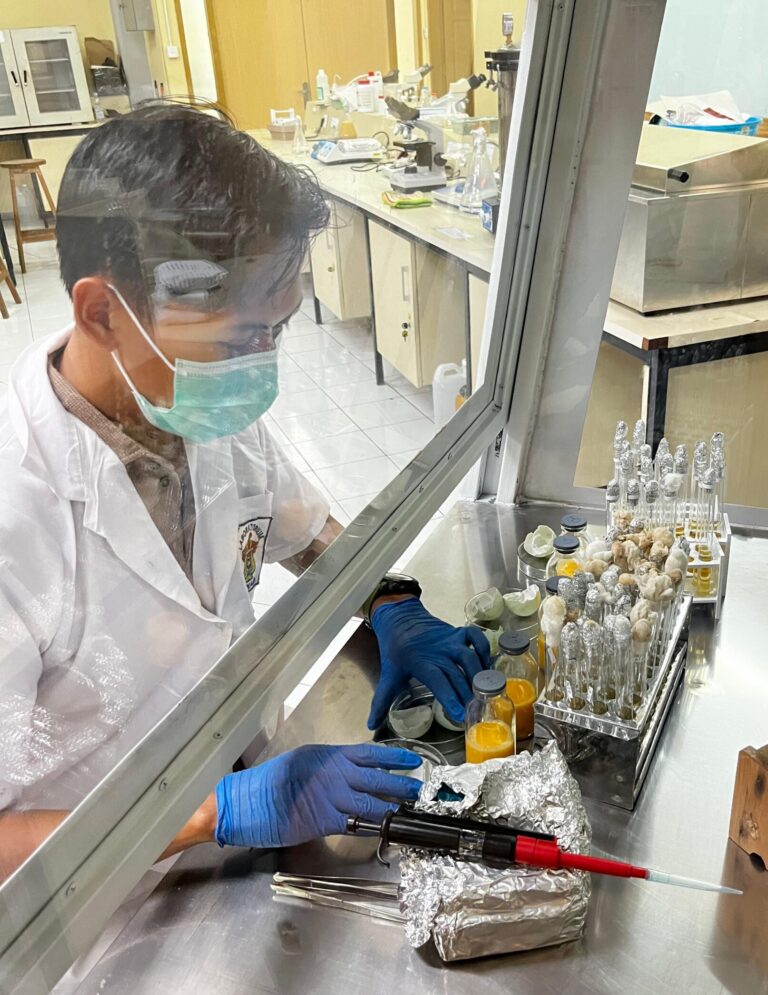
  11. Aseptic Techniques: All bacterial culture handling must be performed using aseptic techniques, specifically near a Bunsen burner flame or inside a Laminar Air Flow (LAF) cabinet.
  12. Reporting: Practicum results must be documented (written or illustrated) in the lab report book and submitted to the assistant in charge.
  13. Equipment Maintenance: All laboratory apparatus and equipment must be cleaned and returned to their original, designated storage locations.
  14. Damage Reporting: If any equipment is found to be malfunctioning or broken during the session, students are required to report it immediately to the laboratory assistant.
  15. Waste Management: All practicum waste and biological materials must be disposed of according to their specific classifications (e.g., biological waste vs. general waste).
  16. Time Allocation: Laboratory activities must be conducted strictly within the designated time allocation.
  17. Final Hygiene Protocol: Students must wash their hands and/or use a hand sanitizer before exiting the laboratory premises.

WASTE MANAGEMENT

  1. Solid Biological Waste: Petri dishes containing agar media and bacterial cultures, as well as any remaining tissue samples, must be autoclaved (decontaminated) before disposal in the final waste site.
  2. Liquid Waste: Hazardous and Toxic Waste must be collected in designated jerrycans; direct disposal into the laboratory sink is strictly prohibited.
  3. Sharps Waste: Used syringes, broken glass fragments, and other sharp waste must be disposed of in a sharps container.

STUDENT RESEARCH PROCEDURE

Research Permission Procedures

  1. Application for Research Permit: Researchers must submit a formal Research Permit Application Letter, signed by their supervisor, addressed to the Head of the Laboratory.
  2. Submission of Work Protocol: Researchers are required to attach a brief work protocol (research methodology) to facilitate the coordination of equipment availability, materials, and specific methods to be executed.
  3. Laboratory Orientation: Upon receiving approval from the Head of the Laboratory, researchers are required to participate in a brief orientation session covering the laboratory workflow, equipment operation mechanisms, and emergency response procedures.

Equipment, Materials, And Disciplinary Management

  1. Equipment Logbooks
  • Researchers are required to complete the logbook every time an instrument is used, including the date, start time, end time, and operational condition of the equipment.
  1. Materials Inventory
  • The use of laboratory-owned consumables (e.g., agar media, alcohol, methylated spirits, Gram staining reagents) must be documented in the material usage sheets.
  1. Sample Storage
  • Research samples must be clearly labeled with the researcher’s name, sample type, and date, and stored in the appropriate designated areas (refrigerator/freezer). Unlabeled samples will be disposed of by the laboratory staff.
  1. Disciplinary Rules
  • Operational Hours: Research activities may only be conducted during official working days and hours (Monday to Friday, 08:00 – 16:00 WITA), unless a special permit is granted by the Head of the Laboratory with staff supervision.
  • Liability: Any damage to equipment resulting from the researcher’s negligence is the full responsibility of the researcher, including all costs for repair or replacement

Safety and Waste Protocols

  1. Spill Handling
  • In the event of a microbial culture spill, the affected area must be immediately saturated with disinfectant, covered with absorbent paper towels, and left for 15 min before being cleaned while wearing full Personal Protective Equipment (PPE).
  1. Waste Management
  • Sharps Waste: Used hypodermic needles or broken glass fragments must be disposed of in designated sharps containers.
  • Liquid Waste: Chemical waste must not be disposed of directly into the laboratory sink; instead, it must be collected in specialized chemical waste jerrycans for proper disposal.


RESEARCH CODE OF CONDUCT

  1. Operational Hours
  • Research activities are conducted during official working days and hours (Monday to Friday, 08:00 – 16:00 WITA). Any laboratory use outside these hours requires written permission from the Head of the Laboratory and must be conducted under the supervision of a staff member or laboratory technician.
  1. Laboratory Access
  • Researchers are required to sign the Visitor Logbook every time they enter the laboratory.
  1. Room Ethics
  • Eating, drinking, and smoking are strictly prohibited within the laboratory premises.
  1. Workspace Management
  • Organization: Researchers must maintain the cleanliness and orderliness of their workbenches. Personal belongings (bags and jackets) must be stored in the provided lockers and are not permitted on the workbenches.
  • Sanitization: Workbenches must be sprayed with 70% alcohol or other appropriate disinfectants before and after research activities.


Personal Protective Equipment (PPE) Protocol

Researchers are required to wear appropriate PPE in accordance with the biohazard risk levels in the Microbiology Laboratory.

  1. Laboratory Coat
  • A long-sleeved laboratory coat must be worn with all the buttons securely fastened. Research laboratory coats must be laundered regularly (at least once per week).
  1. Masks
  • A minimum 3-ply medical mask is mandatory when handling bacterial cultures and volatile chemicals.
  1. Gloves
  • Disposable gloves (latex or nitrile) are mandatory when handling infectious samples (such as fecal matter, organs, or Salmonella bacterial isolates). Gloves must be replaced immediately if they are torn or contaminated by chemical or culture spills.


  1. Footwear
  • Outdoor shoes must be removed before entering the laboratory. Inside the laboratory, it is mandatory to wear closed-toe shoes (not sandals or perforated shoes) to protect the feet from chemical spills or falling sharp objects.
  1. Additional Protection
  • The use of safety goggles or face shields is required during procedures with a risk of splashing (e.g., during tissue sample preparation or when pouring strong acids).