
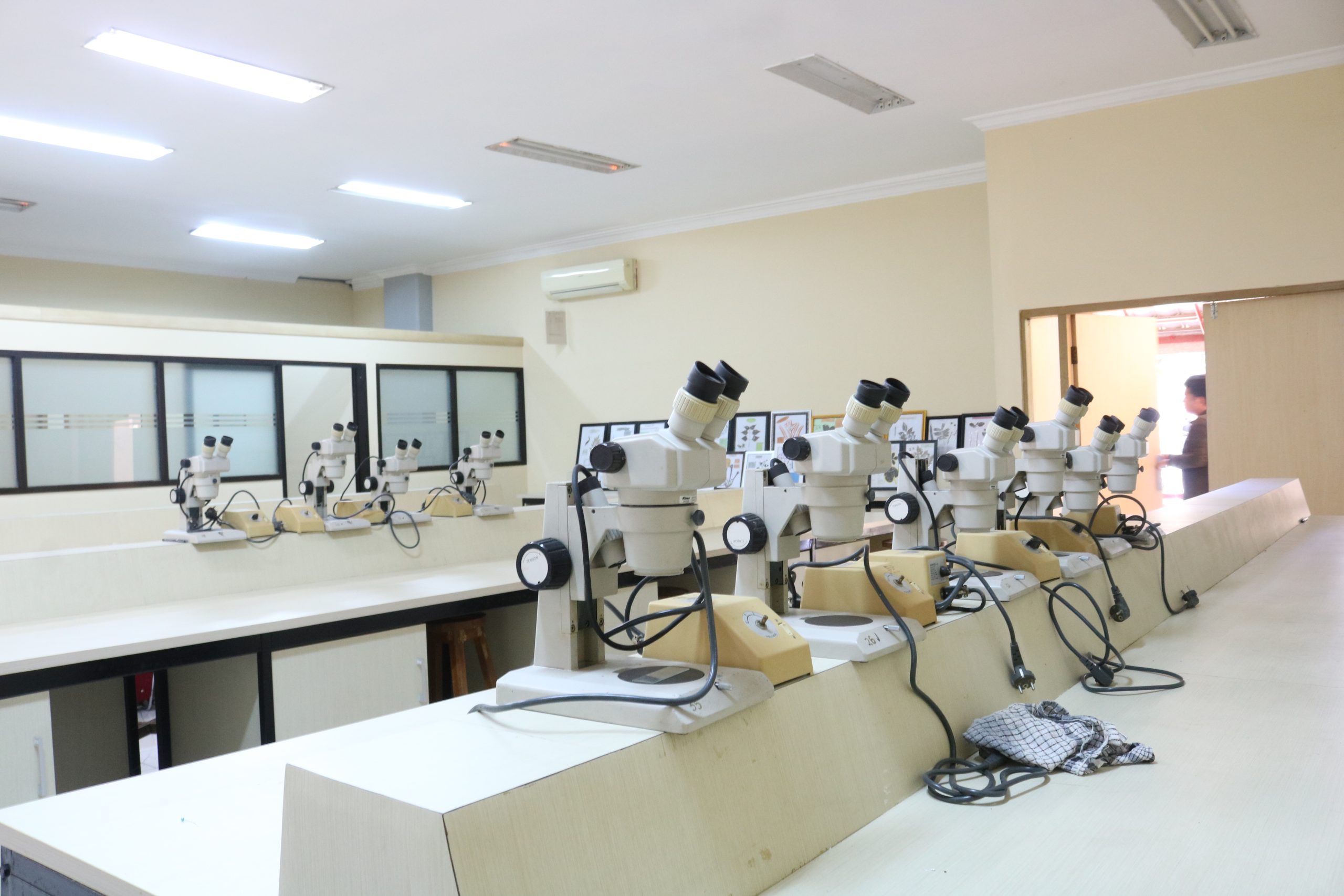
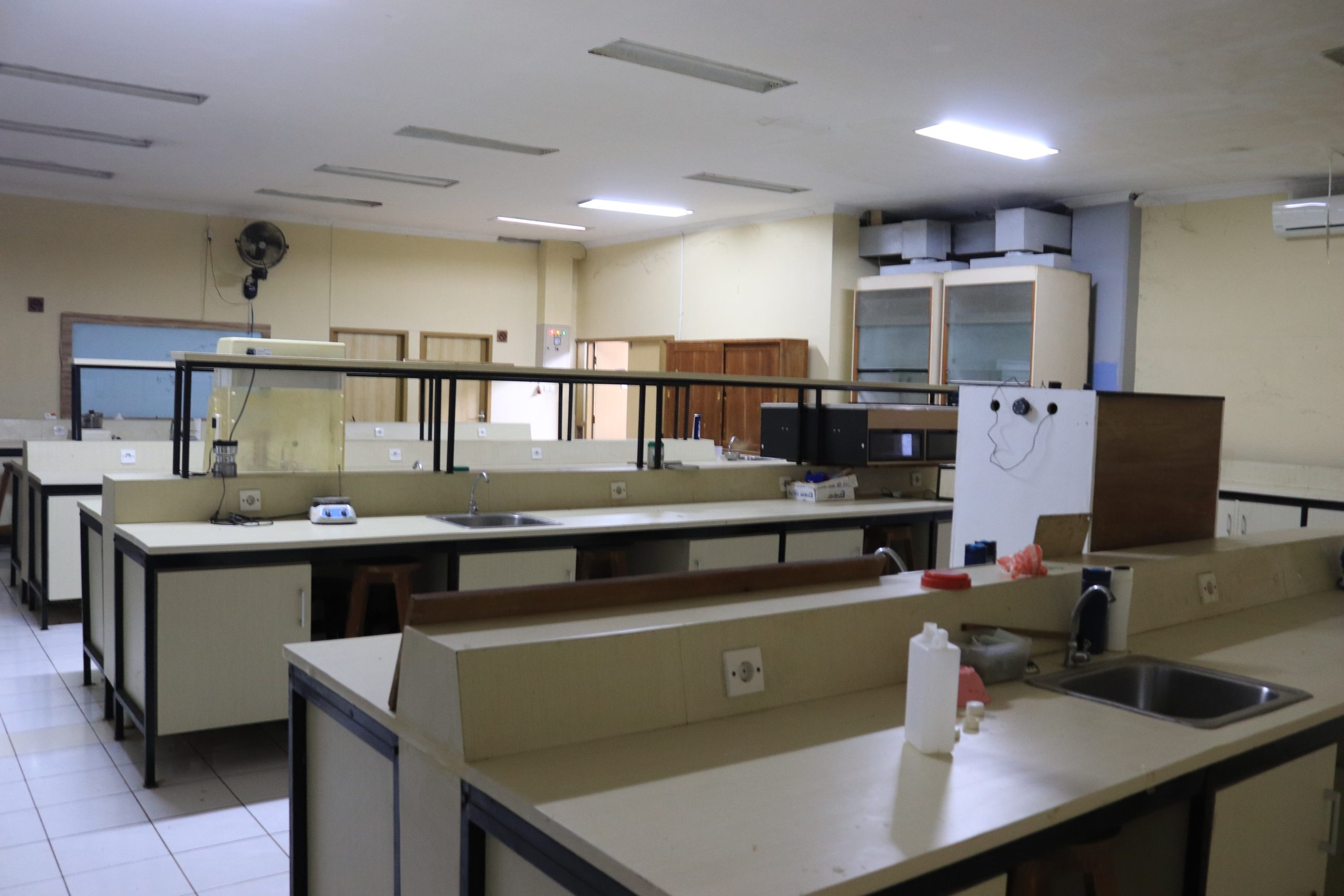
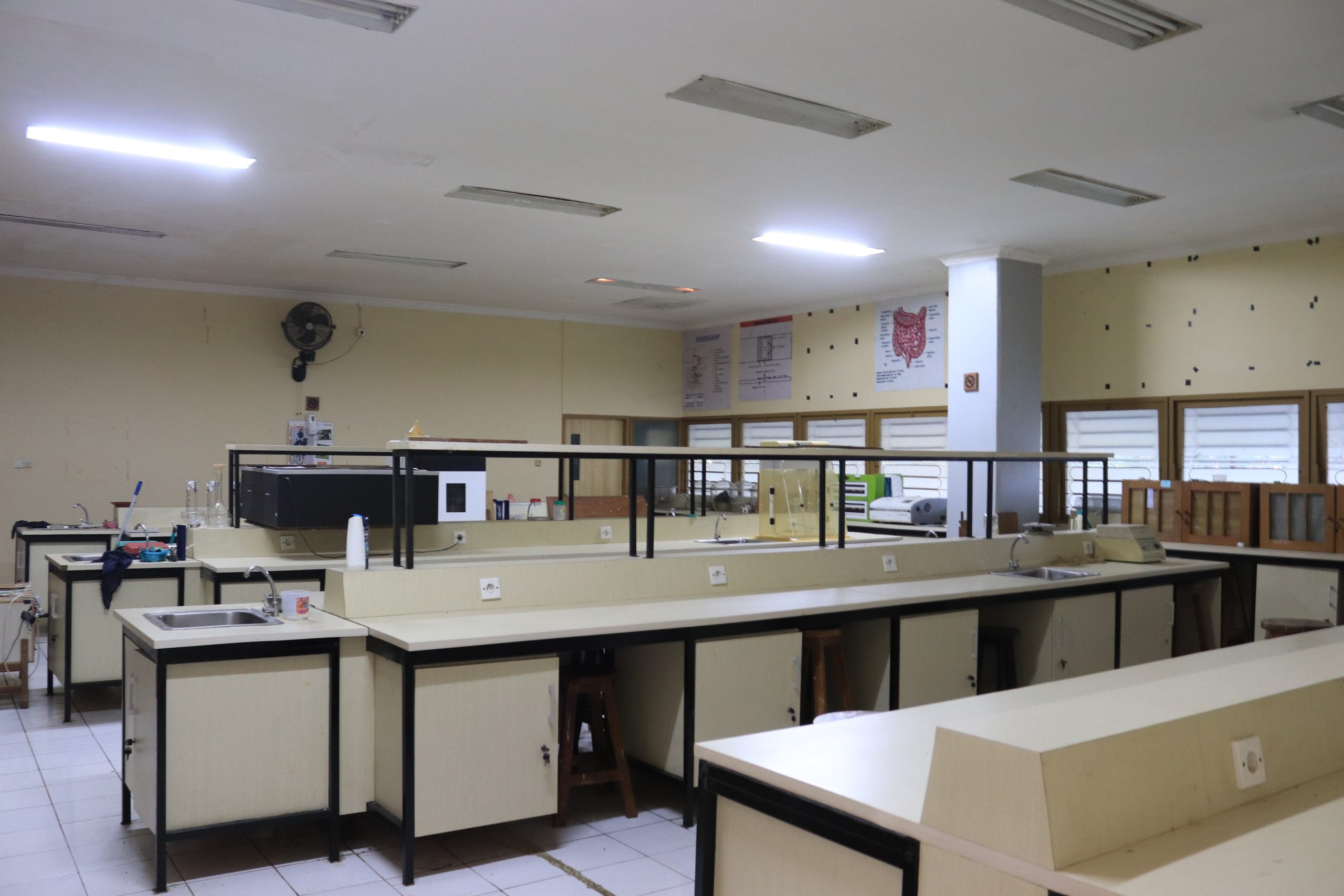
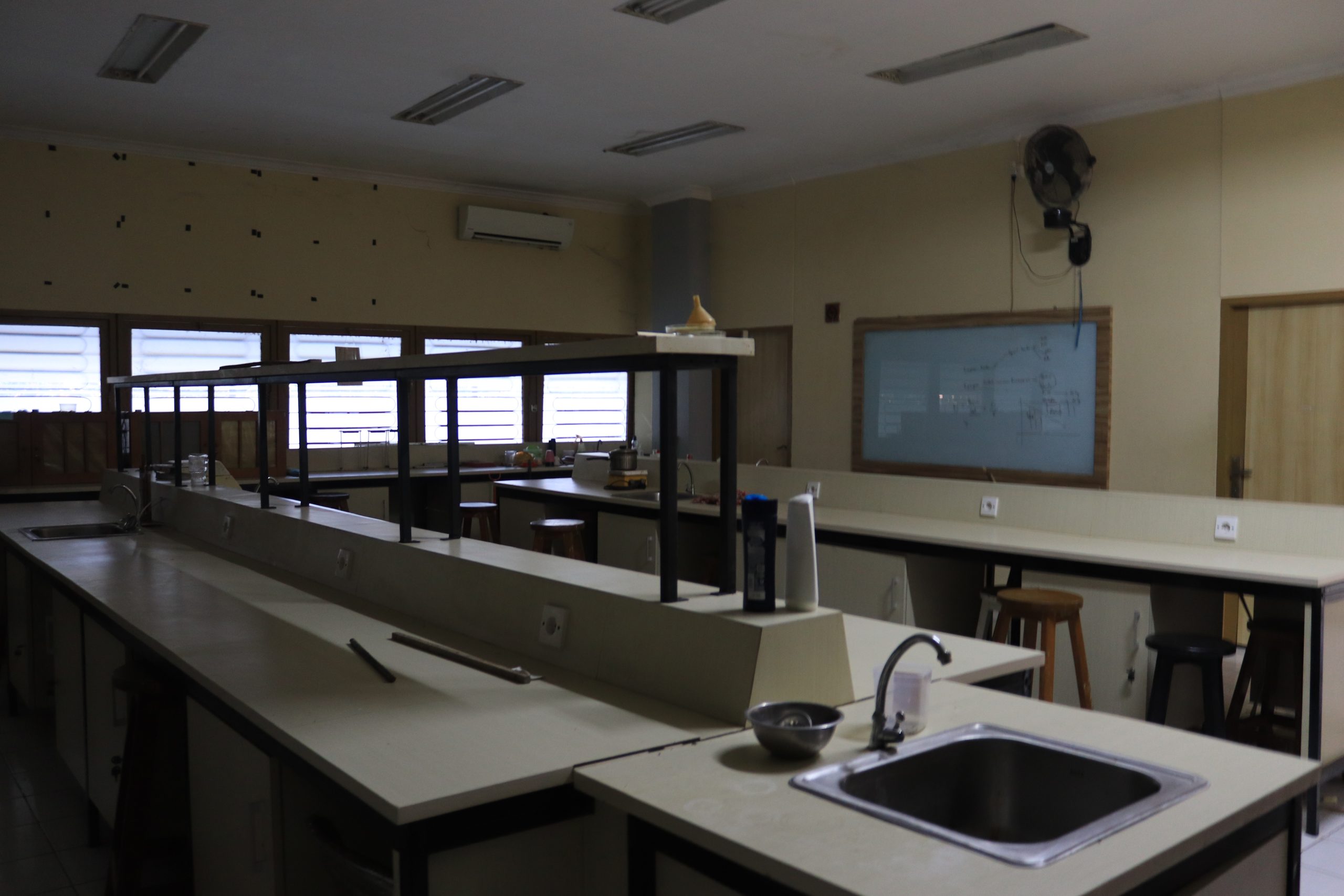
The Animal Physiology Laboratory is needed to increase the level of understanding of physiological function theories (blood function, circulatory system, heart mechanism, nervous activity, respiration, muscle contraction mechanism, etc.) in the body of an animal, including livestock. Another role is to increase the reasoning power of undergraduate students in understanding physiological engineering to increase livestock production. This laboratory is equipped with facilities to support practical and research activities related to the physiological aspects of livestock.

Head of Laboratory:
Prof. Dr. Ir. Herry Sonjaya, DEA, DES.
Anggota :
STANDARD OPERATING PROCEDURE (SOP)
ANIMAL PHYSIOLOGY LABORATORY PRACTICUM
FACULTY OF ANIMAL SCIENCE, HASANUDDIN UNIVERSITY
PURPOSE
SCOPE
This SOP applies to all practicum activities organized at the Animal Physiology Laboratory, Faculty of Animal Science, Hasanuddin University, covering:
GENERAL LABORATORY REGULATIONS
DEFINITIONS
Term | Definition |
Head of Laboratory | The person in charge of implementing the Animal Physiology practicum course activities. |
Practicum Coordinator | The lecturer responsible for the Animal Physiology practicum course. |
Teaching Assistant | A student or staff member who has been trained and assigned to supervise the Animal Physiology practicum. |
Practicum Equipment | Instruments used for Animal Physiology practicum activities. |
Experimental Animals | Animals (sheep, goats, chickens, guinea pigs, etc.) used for Animal Physiology practicum activities. |
RESPONSIBILITIES
Party | Responsibility |
Head of Laboratory | Approves the schedule, provides resources, monitors SOP application. |
Practicum Coordinator | Prepares the module, organizes student groups, evaluates teaching assistants and students. |
Teaching Assistant | Supervises the practicum, checks reports, fills out assessment forms. |
Laboratory Technician | Prepares equipment & materials, checks equipment functionality, manages waste. |
Student | Attends the pre-test, complies with regulations, completes the report. |
PROCEDURE
No. | Activity | Responsible Party | Document/Evidence |
1 | Practicum Coordinator prepares the schedule & module (at least 1 week before the practicum). | Coordinator | Schedule, practicum module |
2 | Teaching Assistant prepares equipment, materials, and experimental animals according to the required list. | Teaching Assistant | Preparation checklist |
3 | Teaching Assistant checks equipment functionality (microscope, centrifuge, ECG, etc.) and records it in the daily calibration logbook. | Teaching Assistant | Calibration logbook |
4 | Teaching Assistant holds a pre-laboratory briefing for students (at least 2 days in advance). | Teaching Assistant | WhatsApp Group or announcement board |
5 | Students must take a pre-test (oral/written) before starting the practicum, supervised by the Teaching Assistant. | Student | Pre-test score sheet |
No. | Activity | Responsible Party | Document/Evidence |
1 | Students arrive on time and sign the daily attendance book. | Student | Attendance list |
2 | Before entering the practicum room, students must wear complete Personal Protective Equipment (PPE): lab coat, gloves, mask, closed-toe shoes. | Student + Teaching Assistant | Visual check by TA |
3 | Teaching Assistant ensures all equipment is in ready-to-use condition with no damage. | Teaching Assistant | Pre-practicum equipment checklist |
4 | Teaching Assistant re-explains the procedures, hazards, and ethical guidelines for handling equipment and experimental animals (if used) using the 3R & 5F principles. | Teaching Assistant | Module, safety sheet |
5 | Each practicum group (max. 6 students) performs the experiment under the supervision of the Teaching Assistant. | Student & Teaching Assistant | – |
6 | Specifically for procedures involving experimental animals: a) Animals are handled using proper restraint techniques (not causing stress or injury); b) If blood sampling or injection is required, it is performed by the teaching assistant or lecturer; c) If bleeding or severe distress occurs in the animal, the practicum is stopped immediately and the animal is euthanized humanely. | Teaching Assistant / Lecturer | Animal incident record form (if any) |
7 | Students record observation data on the worksheet. | Student | Raw data sheet |
8 | After the practicum is finished, students will clean the workbench, soak and wash dirty equipment in disinfectants, and return all equipment clean. | Student | Cleanliness check by TA |
9 | Laboratory Technician manages waste according to the Waste Management SOP (solid waste: biohazard bag; liquid waste: special container). | Teaching Assistant | Waste receipt record |
No. | Activity | Responsible Party | Document/Evidence |
1 | Students write a practicum report (standard format) and submit it no later than 7 days after the practicum. | Student | Practicum report (hardcopy & softcopy) |
2 | Teaching Assistant checks the report, assesses it (60% content, 20% analysis, 20% neatness), and provides feedback to the practicum student. | Teaching Assistant | Report assessment form |
3 | Practicum Coordinator recapitulates the final grade (pre-test 20%, report 40%, post-test 30%, attitude 10%). | Coordinator | Final grade sheet |
4 | All practicum documents (attendance, data sheets, reports, grades) are stored in the laboratory folder for at least 2 years for audit purposes. | Coordinator | Document archive |
Date | Description of Change | Approved by |
04/05/2025 | New document | Head of Animal Physiology Laboratory |
Issued in: Makassar
Date: 04 May 2025
Head of the Animal Physiology Laboratory, Faculty of Animal Science,
Hasanuddin University,